Camber Sands biobead spill exposes urgent need for binding UK plastic pellet regulation



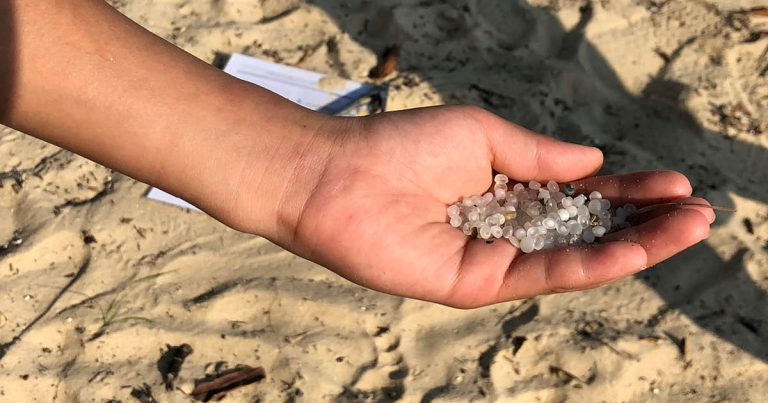
A major pollution incident has occurred along the UK’s East Sussex coast, where millions of plastic biobeads have washed up on the shoreline at Camber Sands and neighbouring beaches following a failure at Southern Water’s Eastbourne wastewater treatment works.
The company has admitted the spill was caused by a screening‐filter failure during heavy rainfall, which allowed the beads to be released into the sea.
These biobeads, also known as plastic pellets, are used in water-treatment processes and pose a serious threat to marine life and coastal ecosystems.

Camber Sands
They have been found to contain polycyclic aromatic hydrocarbons, which are linked to cancer, and can also absorb and leach toxic chemicals such as lead, antimony and bromine.
Once released, they directly enter aquatic environments where they are nearly impossible to recover, persisting for decades and fragmenting into microplastics that can be ingested by wildlife and ultimately enter the human food chain.
EIA Legal and Policy Specialist Amy Youngman said: “Plastic pellets are essentially an oil spill in solid form, but with added chemical toxicity. There are also prevention measures that can completely mitigate these losses, yet they remain almost entirely unregulated in the UK.”
This incident also highlights a critical regulatory blind spot – while much of the policy focus to date has been on losses of pellets from ships or during transport, the Camber Sands spill shows plastic pellet pollution can also stem from land-based infrastructure such as wastewater treatment plants.
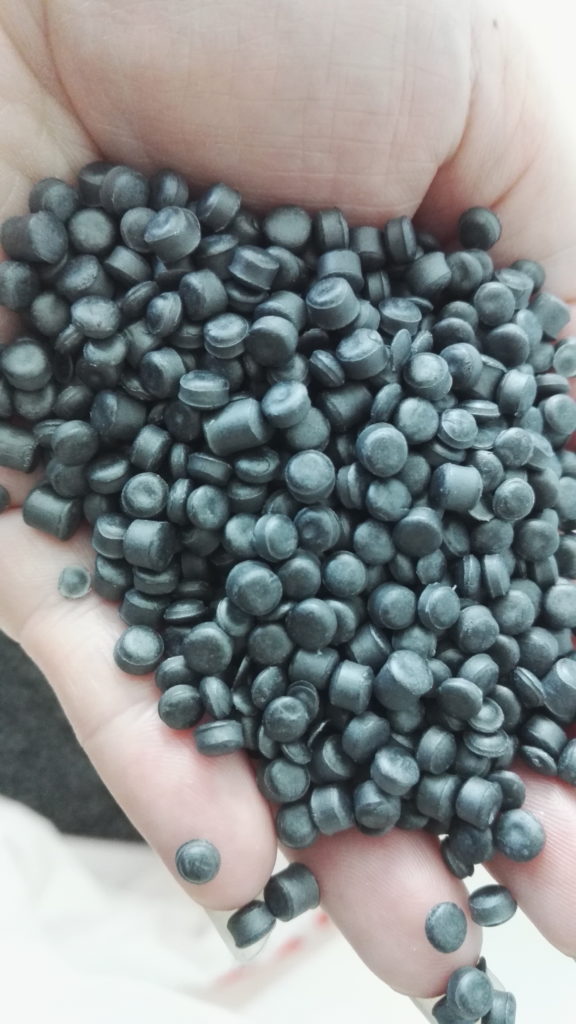
Plastic pellets, for illustrative purposes (c) Teemeah
Prevention must be the priority and clear regulatory safeguards are needed to ensure that technical failures cannot result in the uncontrolled release of plastics into the environment.
Several EIA staff live in the area, including EIA Ocean Campaign Lead Chris Dixon, who commented: “Camber is home to an incredible array of wildlife, from nesting seabirds to seals and delicate dune ecosystems. The news of millions of toxic plastic beads polluting this environment is devastating.
“At a time when water companies are jacking up prices while continuing to pump sewage – and now plastics – into the environment, this is another blow to Britain’s coastlines. Local volunteers are doing the heavy lifting with the clean-up, but Southern Water should take urgent action to ensure this never happens again and act urgently to remediate harm that has already been caused by this toxic plastic spill.”
EIA’s Ocean Team spearheaded robust policy to prevent pellet losses in the European Union, where just last month a new Pellet Regulation was adopted, setting binding obligations across the plastic pellet supply chain in the EU.
The UK, as with all other plastics legislation, is falling dramatically behind. There remains no national binding regulation to prevent pellet losses such as this, no mandatory transparent reporting regime and no public accountability framework when accidents or breakdowns in prevention happen.
Youngman added: “The public has no clear understanding of the amount of plastic pellets that are produced, used or handled across supply chains in the UK, which means we are in the dark about how often incidents like this occur. Unfortunately, it is only when millions wash up that the public becomes aware of the scale of the problem.”
Efforts to clean up the affected beaches have involved the use of vacuum equipment, which raises further questions about the suitability and safety of such technology and whether it is approved or simply used in practice. These methods can only address what has washed ashore, while millions of pellets have already dispersed into the marine environment where they will continue to circulate until they return to us in the food we eat or even the air we breathe.
EIA is calling for the following urgent measures:
Preventing plastic pellet loss before it happens is far more effective than attempting to clean it up after the fact. The Camber Sands spill makes clear that comprehensive oversight, transparent monitoring and enforceable standards are essential to protect marine life, coastal ecosystems and human health.